Posts

Showing posts with the label Cementitious Waterproofing

Cementitious Waterproofing and its Benefits

Image
Cementitious waterproofing is a type of waterproofing material that uses cement as its main ingredient. This type of waterproofing is often used in the construction of basements and other structures that need to be kept dry. If you want your construction to last for a long time, cementitious waterproofing is necessary. In this blog, we will look at some advantages of cementitious waterproofing.  Benefits of Cementitious Waterproofing Cementitious waterproofing for walls is as effective as pyp kote taping for pipes. There are many benefits to using cementitious waterproofing, including its durability and its ability to resist water damage. Some of the benefits of cementitious waterproofing are as follows:  Cementitious waterproofing is made by adding water to cement powder and mixing it until it forms a paste. This paste is then applied to the surface that needs to be waterproofed. Once the paste dries, it forms a hard, water-resistant barrier. One of the benefits of cementit...

Understanding the Uses, Advantages and Limitations of Internal Pipe Coating

Image
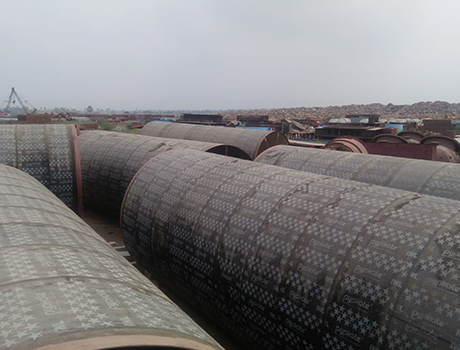
Applying an inside coating on pipes can help prevent corrosion, enhance flow and lessen the buildup of deposits. FBE Coating and Glass flake Coatings are among the two most well-known examples of pipe coatings that are internal to the pipes. Internal Coatings Have a Specific Purpose:- Internal corrosion mitigation for pipes Flow increase To decrease the creation of deposits Pipe Varieties Linings / Internal Coatings:- Epoxy Fusion Bonded (FBE) Coating Coatings made of Glass Flake (Chemflake, Belzona, etc.) Lining (Polyethylene) | ROTO Lining Instructions for Using FBE Coatings Prior to blast cleaning it is required to make sure there is clean of grease and oil. To eliminate scale, rust or any other foreign matter that may be present on the surface of the pipe, the pipe must be cleaned by blast before Pipe Coating . This provides the pipe with an attractive appearance. This kind of coating needs roughness levels of between 50-100 microns. Spray guns can be used to paint the interior of ...

Best Characteristics Of Cementitious Waterproofing

Image
If you have ever been on a construction site or worked in the industry then you must be aware of cementitious waterproofing . It is a process where concrete is prepared by cement-based polymer coating for waterproofing. After proper application cement can form a strong base or barrier between the floor and walls. This cement barrier comes in the form of epoxy and latex mixes. In this blog, we will know some important characteristics of cementitious waterproofing. So let us find out. Properties of Cementitious Waterproofing Pressure Handling - When we talk about pressure then this method is very efficient to take pressure from both positive and negative sides. In total there is no chance of leakage. One of the main objectives of waterproofing can be completed through this method of handling pressure.    Resistance - It is the most precious quality of cementitious waterproofing . This is because this method is not only water resistant but also chemical, UV rays, Weather, Carbon...

How to Protect a Pipeline When It's Coating has Aged?

Image
A pipe's exterior pipeline buried is exposed to the elements that could cause corrosion. At first, pipeline operators applied coatings on the exterior of their pipes prior to installation to avoid corrosion. These first coatings on pipes included tape wraps or wax, asphalt as well as coal tars. Coatings are the primary tool to shield a pipeline from corrosion from the outside, however, they are susceptible to deterioration due to the passage of time and other elements.  As time passes, a coating will wear down and become less durable due to stress in the soil and pipe movement, temperature fluctuations within the pipeline, as well as flooding or wet conditions. That is why most people use pypcoat . While these coatings have the potential to last for 20-30 years, many have outstripped this timeframe and are nearing or even exceeding 70 years old. The failures of coatings that have happened typically result from cracking or disbanding, sagging, and melting at higher temperatures. Co...